The Royal National Lifeboat Institution (RNLI) is urging those heading to the coast over the early May Bank Holiday weekend to choose a lifeguarded beach and follow lifesaving safety advice.
With recent warmer weather, the RNLI is reminding everyone that although the weather on land may feel warm, the sea temperature remains cold enough to cause cold water shock. Anything below 15°C is defined as cold water and can seriously affect breathing and movement.
The charity is also warning coastal visitors about spring tides, which are occurring over the weekend, meaning a greater difference between low and high tide. At high tide, the water comes in further and can move faster than on smaller tides, increasing the risk of becoming stranded.
Visitors to the coast are advised to check tide times before they set out, using a trusted source such as the Met Office, and to be aware that the high and low water may change quickly and very differently to what may be expected. The tide comes in and out twice in each 24-hour period, and while tide times can be accurately predicted, they vary at each location and change each day.
Ross Macleod, RNLI Water Safety Manager says: "It’s hard to imagine how an everyday activity such as walking can turn out to be dangerous, which is why it’s important to always check the tide times at the start of your day, keep an eye out for the incoming tide and leave enough time to return safely, to avoid being cut off by the tide. If you are unclear on the tide times for the location you’re visiting, please seek local advice."
To stay safe over the long weekend, the RNLI is encouraging people to:
- Check the weather and tide times before setting off for the coast.
- Choose a lifeguarded beach where possible.
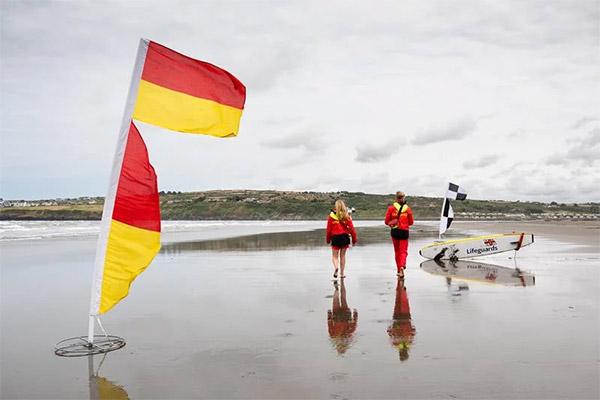
- Swim between the red and yellow flags.
- If you get into trouble in the water, Float to Live.
Ross offers this advice to bank holiday beach-goers: "If you find yourself in difficulty in the water, try to remain calm and remember Float to Live: lean back with your ears submerged, extend your arms and legs, and float until you can control your breathing and wait for help to arrive or before moving to safety. If you see someone else in trouble in the water, remember Phone, Float, Throw:
- Phone 999 or 112 and ask for the Coastguard to get help.
- Tell the struggling person to Float to Live.
- Throw them something that floats, such as a life ring.
"Not all beaches are lifeguarded at this time of year, so the RNLI advises checking online before you go to find your nearest RNLI‑patrolled beach and to swim between the red and yellow flags where RNLI lifeguards are present."
The RNLI recommends that everyone visits Find Your Nearest RNLI Lifeguarded Beaches to find your nearest RNLI lifeguarded beach. This year, the RNLI’s lifeguard service is celebrating 25 years of keeping beaches safer.
Photo Credit: RNLI
- 71 views